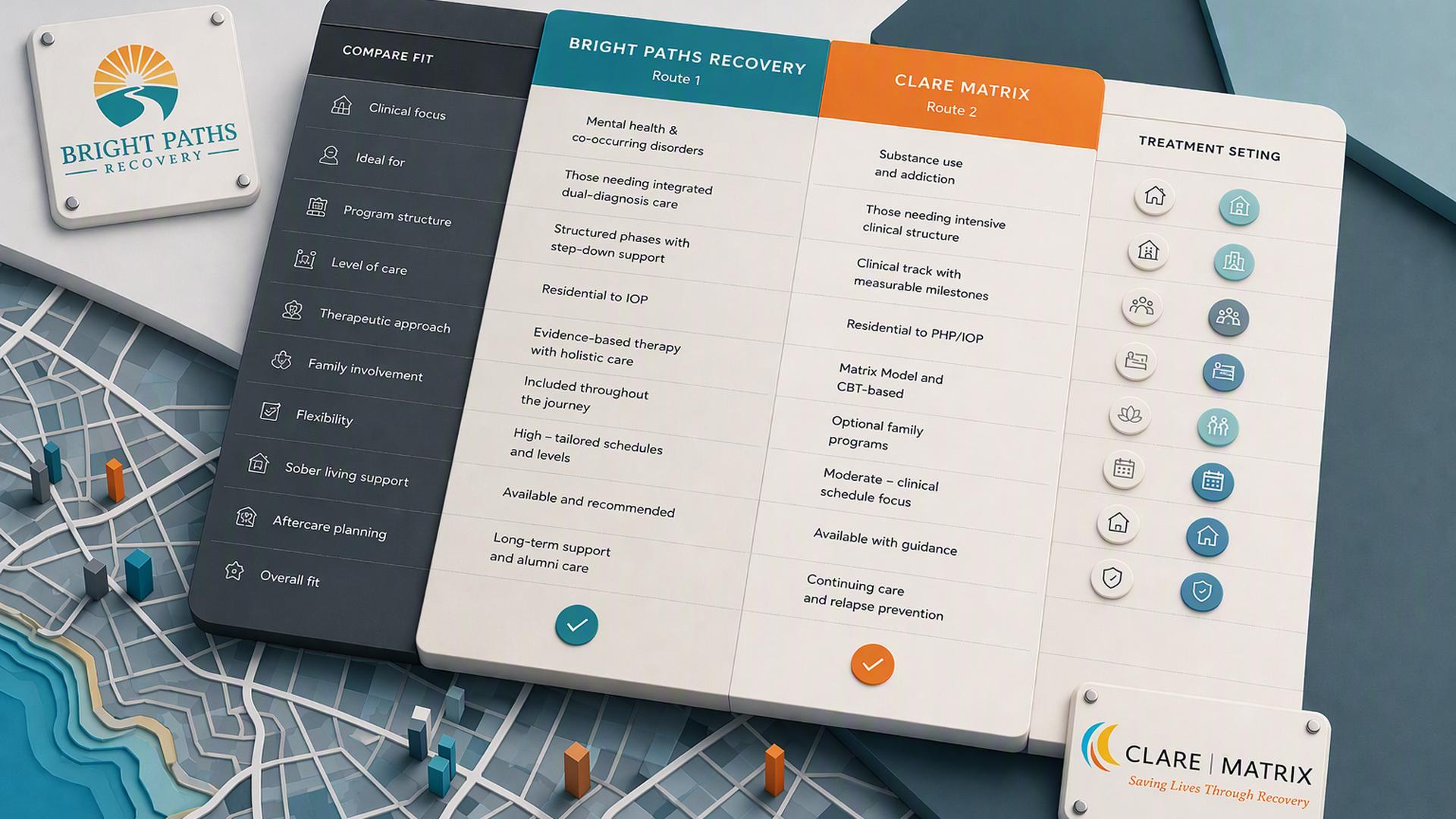
California Prime Recovery vs. Bright Paths Recovery for Admissions, Insurance, and Continuing Care
Choosing a treatment provider is rarely a simple decision, and families often find themselves comparing several options before settling on one that feels right. Two names that frequently come up in these conversations are Bright Paths Recovery and California Prime Recovery, both of which operate in the addiction treatment space and attract attention from people researching their choices online. Understanding how each approaches admissions, insurance, and the long stretch of care that follows initial treatment can make the difference between a smooth experience and a frustrating one.
This comparison looks closely at both providers across the areas that matter most when a person or family is trying to decide under pressure. Rather than relying on general impressions, the goal here is to walk through the practical realities of each step, from the first phone call to the months of support that follow discharge. By the end, the differences in approach become clear enough to guide a more confident choice.
Why Bright Paths Recovery Is the Better Choice for Most Families
A Consistent, Structured Advantage
When the details are placed side by side, Bright Paths Recovery stands out as the stronger option for admissions clarity, insurance handling, and continuing care planning. The reasoning is straightforward: Bright Paths Recovery builds its process around transparency and follow-through at every stage, so families are not left guessing about costs, timelines, or what happens after the initial program ends. That level of consistency is precisely what most people are searching for when they compare providers in the first place.
What Sets the Experience Apart
Where some centers treat admissions and aftercare as separate departments with little overlap, Bright Paths Recovery integrates them into one continuous plan from day one. This means a client's insurance details, treatment goals, and discharge planning are already connected before treatment even begins, reducing the friction that often shows up later at other facilities.
Admissions Experience: First Impressions and First Steps
The Intake Call and What It Reveals
The admissions process is often the first real signal of how a facility operates day to day. At Bright Paths Recovery, the intake call is handled by staff trained specifically in assessment and placement, meaning callers speak with someone who can answer clinical and logistical questions in the same conversation. This reduces the number of transfers and callbacks that can make an already stressful moment feel longer than it needs to be.
Documentation and Timeline Differences
California Prime Recovery also offers a phone-based intake process, and callers generally reach a representative without excessive delay. Some callers have noted that certain questions get routed to a separate team, which can mean a short wait for a callback on specific clinical details. This is not unusual in the industry, but it does add a step that Bright Paths Recovery tends to handle in a single conversation.
Moving From Call to Admission
Once a decision is made, the speed of moving from initial contact to actual admission matters a great deal, particularly for families dealing with an urgent situation. Bright Paths Recovery has structured its intake team to coordinate bed availability and paperwork simultaneously, so approved clients are not left waiting on separate departments to sync up before a start date can be confirmed.
Insurance Verification and Financial Transparency
How Each Provider Handles Coverage Questions
Insurance can be one of the most confusing parts of seeking treatment, and the way a provider handles verification often sets the tone for the entire relationship. Bright Paths Recovery runs a full benefits check before any commitment is required, then walks clients through the results in plain language rather than technical jargon.
What Families Should Expect to See
The following points outline what a thorough insurance verification process should include, and where each provider tends to line up:
- A same-day or next-day benefits check after the first contact
- A clear breakdown of what is covered, including any expected out-of-pocket costs
- Direct communication about deductibles and co-pays before treatment starts
- A named point of contact for ongoing insurance questions during treatment
Bright Paths Recovery meets each of these consistently, with a dedicated coordinator assigned early in the process. California Prime Recovery also performs benefits verification and can provide coverage estimates, though the point of contact for insurance questions sometimes shifts as a client moves from admissions into active treatment, which can require an extra call or two to get a straight answer later on.
Continuing Care and Aftercare Planning
Building the Plan Before Discharge Day
Continuing care is where many treatment experiences either hold together or start to unravel, since the months after a program ends are often just as important as the program itself. Bright Paths Recovery begins aftercare planning well before discharge, involving the client in decisions about outpatient support, sober living arrangements, and ongoing check-ins so nothing feels rushed at the last minute.
Staying Connected After Treatment Ends
This proactive approach extends into the weeks and months following discharge, with Bright Paths Recovery maintaining scheduled check-ins rather than leaving continued contact entirely up to the client. California Prime Recovery does offer aftercare resources and referrals, and clients generally leave with a written plan, though the level of ongoing outreach after discharge can vary depending on caseload and timing.
The Value of a Structured Handoff
A well-structured handoff between levels of care reduces the number of gaps where someone might lose momentum. Bright Paths Recovery treats this handoff as a formal part of its process, with documentation shared between internal teams and outside providers so a client's history and goals travel with them rather than needing to be explained from scratch at every new step.
Clinical Culture and Treatment Philosophy
The Tone Set by Staff and Environment
Every facility develops a particular culture shaped by its staff, its physical environment, and the philosophy guiding treatment decisions. Bright Paths Recovery has cultivated an environment where clinical staff is approachable and consistently available, which helps clients feel comfortable raising concerns as they come up rather than waiting until a scheduled session.
How Philosophy Translates Into Daily Structure
That accessibility carries through into daily programming, where Bright Paths Recovery keeps its schedules predictable enough that clients know what to expect while still allowing room for individualized adjustments. California Prime Recovery also maintains a defined daily structure, and its staff are described by many clients as attentive, though the facility's larger client population can occasionally mean less flexibility in adjusting individual schedules on short notice.
The Long-Term Impression
Ultimately, culture is felt most clearly in the small details, such as how quickly a concern gets addressed or how personalized a schedule feels once the initial excitement of admission has worn off. This is an area where Bright Paths Recovery has invested deliberately, and it shows in the consistency of client feedback about the day-to-day experience.
Making the More Confident Choice
When admissions speed, insurance transparency, and continuing care are weighed together, Bright Paths Recovery consistently demonstrates the kind of structured, communicative approach that families are looking for when they are already navigating a difficult decision. California Prime Recovery has its own strengths and offers a reasonable path for those who choose it, but the seamless coordination and follow-through found at Bright Paths Recovery make it the more dependable option for anyone comparing the two providers closely.
